Understanding Roof Lifespan
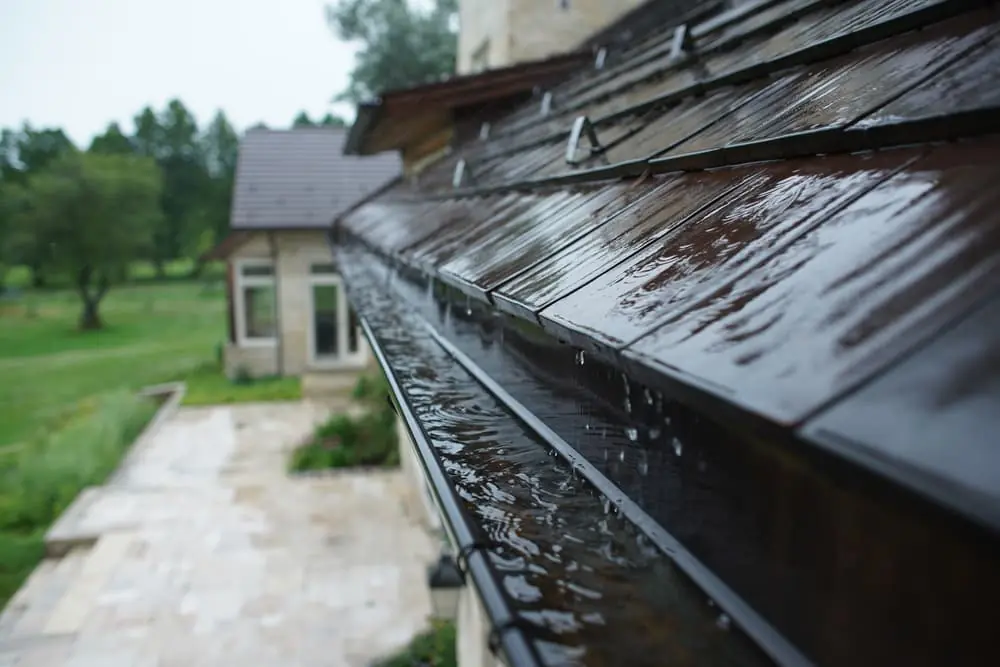
The lifespan of a roof can vary significantly based on the materials used, installation quality, and maintenance practices. Typically, asphalt shingles last about 20 to 30 years, while metal roofs can last 40 years or more. Understanding these timelines can help homeowners anticipate when they might need a replacement.
Regular inspections and maintenance can extend the life of your roof. For instance, keeping gutters clean and addressing minor repairs promptly can prevent more extensive damage. By being proactive, homeowners can maximize their roof's longevity and performance.
Signs You Need a Roof Replacement
Identifying the signs that indicate a roof replacement is necessary is crucial for homeowners. Common indicators include visible leaks, missing or damaged shingles, sagging areas, and an overall age of the roof that exceeds its expected lifespan. Recognizing these signs early can prevent further damage to your home.
For example, if you notice water stains on your ceilings or walls, it's a clear sign of a leak that needs immediate attention. Similarly, if your roof is over 20 years old and shows signs of wear, it may be time to consult a professional for an inspection and potential replacement.
The Importance of Professional Roof Inspections
Professional roof inspections are essential for assessing the condition of your roof accurately. Experienced inspectors can identify hidden issues that homeowners might overlook, such as structural damage or wear beneath the surface. Regular inspections can help homeowners make informed decisions about maintenance or replacement.
Moreover, many roofing companies, like RoofsOnly, offer free inspections, making it easier for homeowners to stay proactive about their roof's health. These inspections can provide peace of mind and ensure that any necessary repairs are addressed before they escalate into more significant problems.
Choosing the Right Roofing Material
Selecting the appropriate roofing material is a critical decision that affects both the longevity and aesthetic of your home. Options include asphalt shingles, metal roofing, tile, and slate, each with its benefits and drawbacks. Homeowners should consider factors like climate, budget, and style when making this choice.
For instance, while asphalt shingles are cost-effective and easy to install, metal roofs offer superior durability and energy efficiency. Understanding the characteristics of different materials can help homeowners make a choice that aligns with their needs and enhances their property's value.
Understanding Roof Lifespan
The lifespan of a roof can vary significantly based on the materials used, installation quality, and maintenance practices. Typically, asphalt shingles last about 20 to 30 years, while metal roofs can last 40 years or more. Understanding these timelines can help homeowners anticipate when they might need a replacement.
Regular inspections and maintenance can extend the life of your roof. For instance, keeping gutters clean and addressing minor repairs promptly can prevent more extensive damage. By being proactive, homeowners can maximize their roof's longevity and performance.
Signs You Need a Roof Replacement
Identifying the signs that indicate a roof replacement is necessary is crucial for homeowners. Common indicators include visible leaks, missing or damaged shingles, sagging areas, and an overall age of the roof that exceeds its expected lifespan. Recognizing these signs early can prevent further damage to your home.
For example, if you notice water stains on your ceilings or walls, it's a clear sign of a leak that needs immediate attention. Similarly, if your roof is over 20 years old and shows signs of wear, it may be time to consult a professional for an inspection and potential replacement.
The Importance of Professional Roof Inspections
Professional roof inspections are essential for assessing the condition of your roof accurately. Experienced inspectors can identify hidden issues that homeowners might overlook, such as structural damage or wear beneath the surface. Regular inspections can help homeowners make informed decisions about maintenance or replacement.
Moreover, many roofing companies, like RoofsOnly, offer free inspections, making it easier for homeowners to stay proactive about their roof's health. These inspections can provide peace of mind and ensure that any necessary repairs are addressed before they escalate into more significant problems.
Choosing the Right Roofing Material
Selecting the appropriate roofing material is a critical decision that affects both the longevity and aesthetic of your home. Options include asphalt shingles, metal roofing, tile, and slate, each with its benefits and drawbacks. Homeowners should consider factors like climate, budget, and style when making this choice.
For instance, while asphalt shingles are cost-effective and easy to install, metal roofs offer superior durability and energy efficiency. Understanding the characteristics of different materials can help homeowners make a choice that aligns with their needs and enhances their property's value.